
Blog roll please!
Quick reads across a variety of topics
Why Dns On Blockchain Is The Next Step After Dns Over Https
Decentralization
19 Aug
11:41
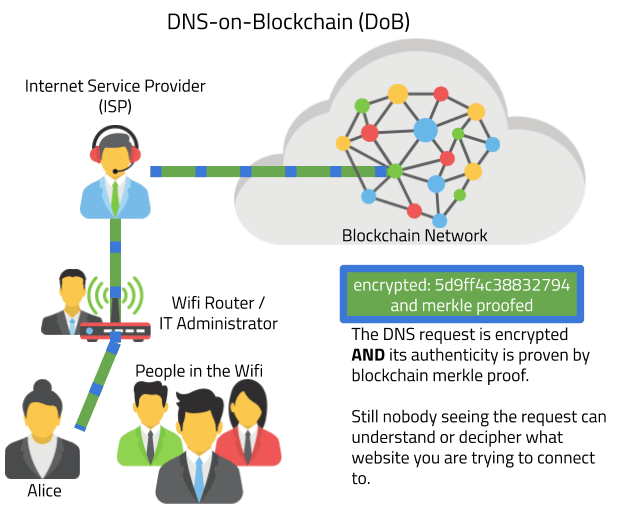
Last month, the trade association for internet service providers in the U.K. has nominated Mozilla for this year’s award of Internet Villain because Mozilla plans to support DNS-over-HTTPS that would bypass U.K. filtering obligations and parental controls, undermining internet standards in the U.K. At Diode, we think Mozilla’s DNS-over-HTTPS in general is a good move for increasing the privacy of end-users; however, it is not the best option for protecting an open internet as DNS-over-HTTPS,...
Hardware Requirements Of Blockchain Clients
IoT
15 Jul
11:06

You just decided to start your next project using blockchain. That is awesome congrats! But now you face the many choices: Which blockchain platform and clients are technically suited for your use case? Makers and IoT specialists know that when designing embedded systems it’s important to understand the technical parameters within which each component can work. The same is true when selecting the blockchain technology. Required storage capacity on the device, RAM usage, and bandwidth...
How Decentralized Public Key Infrastructure Will Be The Future For The Web
PKI
28 May
15:54

If you’ve been following our blog, you will have heard us mentioning the term decentralized public key infrastructure before. But you probably don’t know what it is or how it works, let alone why it matters so much. This same decentralized trust model now powers the Diode Network and Diode Collab — practical tools that bring blockchain-secured communication to real teams through secure team messaging, decentralized hosting, and a Slack alternative that works without phone...
Decentralized PKI in a nutshell
Burning Platform
20 Mar
16:58

In Today’s internet, the authenticity of content is secured by the internet PKI system and the domain name registries. To make it all work first the domain name server (DNS), second you - holding the certificate and the corresponding private key and third a certificate authority which signed your certificate all have to agree on the same data to create this security. A single miss like a domain name server pointing to a different server...
How the End of Mining Could Lead to the ‘Uberization’ of Infrastructure
Decentralization
07 Mar
12:11

The public was aghast back in early 2018 when PwC Bitcoin specialist Alex de Vries estimated that Bitcoin servers consume more than 22 terawatt-hours of electricity per year which is comparable to entire countries such as Austria and Ireland. To many, this was a brewing crisis that if left unchecked would render blockchains unscalable and unsustainable Even Bitcoin’s strongest supporters recognized that the energy consumption issue presented a barrier to growth and mainstream adoption. The...